Cat:Film protector acoperit cu lipici
● Protejați geamurile ferestrelor împotriva stropilor de vopsea, murdăriei, petelor și scurgerilor în timpul lucrărilor de vopsire, construcț...
Vezi Detalii 0086-13771122281
 sales@qidatape.com
 engleză

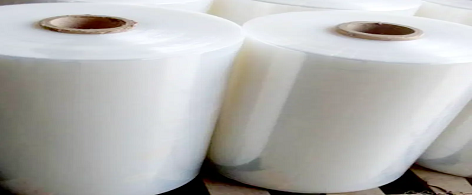
Bottom line: PE stretch film (polyethylene stretch film) is the most widely used pallet-wrapping and bundling material in global logistics. If you need to secure loads under 500 kg with moderate stretch, a cast hand stretch film at 17–23 microns is the best starting point for most operations. For heavy industrial pallets, switch to machine-grade blown film at 23–30+ microns. Read on for a full breakdown of types, specs, and selection criteria.
PE stretch film — short for polyethylene stretch film — is a highly elastic plastic film made primarily from Linear Low-Density Polyethylene (LLDPE). It is stretched and wrapped around goods to hold them tightly in place, protect surfaces from dust and moisture, and prevent load shifting during transportation and storage.
Its dominance in the packaging industry is no accident. According to Grand View Research, the global stretch film market was valued at over USD 9.1 billion in 2023 and is expected to grow at a CAGR of 4.6% through 2030. The reason is simple: PE stretch film delivers a combination of cling, elasticity, and puncture resistance that no other single-material film matches at its price point.
In a typical warehouse environment, one pallet wrapped correctly with stretch film can withstand forces of up to 2,000–3,000 Newtons without load collapse — a critical safety requirement for forklift operations and racking systems.
It's worth noting that while PE stretch film is a packaging solution, the principles of protective film technology overlap with other industries. For example, windshield protection films and car windscreen protection film use similar polymer science — thin, optically clear PE or PET-based films designed to absorb and dissipate impact energy. Products like ClearPlex windshield protection apply the same cling and clarity principles that high-quality stretch films rely on. A windshield rock protector or protective film for car windshield works by stretching and bonding to a curved surface — exactly the behavior PE stretch film is engineered for on pallet corners and edges. Even a windscreen film or windshield UV protection film uses LLDPE co-extrusion technology that is foundational to stretch film manufacturing. If you've ever seen a windshield skin review praising a film's clarity and adhesion, you're reading about properties that PE stretch film engineers have optimized for decades. The market for car window protection, windscreen protection, car windshield protector film, windshield coating for rocks, and windshield defence products all share a common material science lineage with industrial PE film.
Understanding the manufacturing process is the fastest way to understand which film to buy. PE stretch film is produced by two methods — and each creates a distinctly different product.
Cast film is produced by extruding molten polyethylene through a flat die and then rapidly cooling it on chilled rollers. The result is a film that is:
Cast film is the default choice for the majority of food, beverage, and retail distribution operations.
Blown film is made by extruding molten PE upward through a circular die and inflating it into a bubble, which is then collapsed and wound into rolls. This process creates:
Blown film is the preferred choice for heavy-duty industrial applications: steel coils, lumber bundles, automotive parts, and chemical drums.
| Property | Cast Film | Blown Film |
|---|---|---|
| Clarity | Excellent | Moderate (hazy) |
| Puncture Resistance | Moderate | Excellent |
| Noise Level | Low | High |
| Load Retention | Good | Excellent |
| Cost per Roll | Lower | Higher |
| Best Application | Retail, food & beverage, light loads | Industrial, heavy/sharp loads |
Beyond the manufacturing method, the most important purchasing decision is whether you need hand stretch film or machine stretch film. These are not interchangeable — using the wrong type leads to film breakage, inconsistent wrapping, and unnecessary cost.
Hand stretch film is designed to be applied manually, using a hand dispenser or a simple cardboard core. Key specs:
A typical operation wrapping 15–50 pallets per day is well-suited to hand stretch film. Beyond 50 pallets per day, manual wrapping becomes a significant labor cost and ergonomic risk factor — the average worker exerts 15–20 kg of force per pallet wrap cycle.
Machine stretch film is designed for turntable, rotary arm, or orbital stretch wrappers. It is pre-stretched by the machine before application, which:
Machine film comes on heavy cores (76 mm) and in widths up to 500 mm, with thicknesses starting at 17 microns for standard-duty to 35+ microns for ultra-heavy-duty stretch wrapping. A distribution center wrapping 200 pallets per shift can reduce annual film spend by over 40% by switching from hand to machine film with a pre-stretch carriage.
Film thickness — measured in microns (μm) or gauge — is the single biggest determinant of load security and film cost. Choosing the wrong gauge is the most common and costly mistake buyers make.
| Thickness (Microns) | Gauge | Load Capacity | Typical Use Case |
|---|---|---|---|
| 12–15 μm | 48–60 | Up to 300 kg | Light goods, small boxes, retail bundling |
| 17–20 μm | 68–80 | 300–600 kg | Standard pallets, mixed goods, food & beverage |
| 23–25 μm | 90–100 | 600–1,000 kg | Heavy industrial goods, appliances, building materials |
| 30+ μm | 120+ | 1,000 kg+ | Steel pipes, timber, chemical drums, sharp-edged loads |
Pro tip: Many operations over-specify thickness "just to be safe." A 20-micron machine film with 250% pre-stretch delivers more containment force than a 25-micron hand film applied without pre-stretching. Always calculate containment force, not just gauge, when comparing films.
Beyond standard clear film, manufacturers offer a range of specialty variants that solve specific packaging problems. Here are the most commercially relevant ones:
Standard LLDPE degrades under prolonged UV exposure, losing tensile strength and becoming brittle within 3–6 months of outdoor storage. UV-stabilized stretch film incorporates HALS (Hindered Amine Light Stabilizers) into the polymer matrix to extend outdoor service life to 12–24 months. This is essential for:
The UV protection technology in stretch film shares engineering principles with automotive products like windshield UV protection film and car windscreen protector film — both rely on UV absorbers embedded in polymer films to protect underlying materials from solar degradation.
Available in black, red, blue, green, and other colors, tinted stretch film serves two purposes: security (concealing pallet contents from visual inspection) and color-coding (identifying shipment types, destinations, or priority levels in a warehouse). Black opaque stretch film is the most common — it provides complete visual concealment and is standard practice for high-value electronics distribution.
Used in electronics manufacturing and semiconductor logistics, anti-static stretch film contains conductive additives that prevent electrostatic discharge (ESD) during wrapping. Surface resistivity is typically in the range of 10⁹–10¹¹ ohms/sq — a critical specification for compliance with IEC 61340-5-1.
VCI (Volatile Corrosion Inhibitor) stretch film releases chemical vapors that form a molecular protective layer on ferrous metal surfaces. This eliminates the need for separate rust-proofing treatments on steel coils, pipes, and machined parts — reducing packaging steps and cost by up to 25% in metal fabrication supply chains.
Pre-stretched film is manufactured with up to 150% stretch already applied during production. The result is a much lighter, easier-to-handle roll that applies with minimal force — reducing operator fatigue by an estimated 35–50% compared to standard hand film. It is ideal for high-volume hand-wrapping operations where repetitive strain injury (RSI) is a workplace risk.
PE stretch film is genuinely cross-industry. Below are the most significant application sectors and what they specifically demand from the film.
| Industry | Typical Film Type | Key Requirement |
|---|---|---|
| Food & Beverage | Cast, clear, 17–20 μm | Food-safe, barcode visibility, cold-chain performance |
| Pharmaceuticals | Cast, clear, 20–23 μm | GMP-compliant, tamper-evidence, lot traceability |
| Construction / Lumber | Blown, UV-stabilized, 25–35 μm | Puncture resistance, outdoor UV durability |
| Metals & Steel | Blown VCI, 30+ μm | Corrosion inhibition, high puncture resistance |
| Electronics | Anti-static, cast, 20 μm | ESD protection, black/opaque for security |
| Agriculture | Blown, UV, colored, 25+ μm | UV resistance, moisture barrier, tear strength |
| E-commerce / Retail | Cast, clear, pre-stretched, 12–17 μm | High clarity for barcode scan, operator ergonomics |
Buying too much ties up working capital. Buying too little causes production stoppages. Here's a practical calculation method used by procurement managers worldwide.
Step 1: Measure your pallet perimeter. A standard 1,000 × 1,200 mm Euro pallet has a perimeter of approximately 4.4 meters including load overhang. Add the pallet height: a standard loaded pallet at 1.8 meters requires roughly 1.8 / film width × overlap factor passes.
Step 2: Calculate wraps per pallet. Industry standard is 3 wraps at the base, 2–3 overlapping wraps up the body, and 2 wraps at the top — approximately 8–12 total revolutions of film per pallet.
Step 3: Use this baseline formula:
Step 4: Convert to roll count. A standard machine film roll (2,500 meters, 20 μm) at 17.6 m/pallet wraps approximately 142 pallets per roll. If you wrap 500 pallets per day, you need roughly 3.5 rolls per day, or 70+ rolls per month.
Getting this calculation right can reduce film over-spend by 15–25% in organizations that previously relied on estimates rather than data.
With dozens of film variants and specifications on the market, procurement decisions can be overwhelming. Use this structured decision process to narrow down your options.
Ask yourself:
Wrapping under 50 pallets/day → hand stretch film. Wrapping over 50 pallets/day → machine stretch film with pre-stretch carriage. High variability in load size → consider hand film with a powered dispenser as a hybrid solution.
Refer to the thickness table above. As a general rule, never go below 17 μm for pallet loads exceeding 300 kg, and always use blown film for loads with sharp protrusions or above 800 kg.
A 20-micron nano-technology machine film at $0.08/meter may outperform a 30-micron standard film at $0.05/meter when pre-stretch efficiency is factored in. Always evaluate film cost per pallet wrapped, not cost per kilogram or per roll.
| Your Situation | Recommended Film |
|---|---|
| Light loads, barcode scanning needed, small operation | Cast hand film, 17–20 μm, clear |
| High-volume warehouse, 100+ pallets/day | Machine cast film, 20–23 μm, 250% pre-stretch |
| Heavy industrial loads with sharp edges | Blown machine film, 25–35 μm |
| Outdoor storage, 3–12 months | UV-stabilized blown film, 25+ μm |
| Electronics / semiconductor packaging | Anti-static cast film, 20 μm, ESD rated |
| Steel coils or ferrous metal products | VCI blown film, 30+ μm |
| Operator fatigue is a concern in hand wrapping | Pre-stretched hand film, 10–15 μm effective |
Packaging sustainability is no longer optional for most procurement teams. Major retailers including Walmart, Amazon, and IKEA have active supplier packaging reduction mandates, and the EU's Packaging and Packaging Waste Regulation (PPWR) — which entered force in 2025 — imposes recycled content targets on flexible plastic packaging from 2030 onwards.
Here's the current state of PE stretch film sustainability options:
For buyers facing ESG reporting requirements, always request the manufacturer's Environmental Product Declaration (EPD) and confirm whether their film qualifies under the ASTM D7611 resin identification code 4 (LDPE) for curbside collection compatibility.
Even experienced buyers fall into predictable traps. Here are the most costly ones — and how to avoid them.
When sourcing PE stretch film, always request the following technical data sheet parameters in writing. Suppliers who cannot provide these figures should be treated with caution:
| Specification | Why It Matters | Standard Test Method |
|---|---|---|
| Nominal Thickness (μm) | Baseline film weight and cost | ASTM D374 / ISO 4593 |
| Elongation at Break (%) | Maximum stretch before film tears | ASTM D882 |
| Tensile Strength (MPa) | Load-bearing performance | ASTM D882 |
| Puncture Resistance (N) | Sharp edge performance | ASTM D5748 |
| Cling Force (g/25mm) | Self-adhesion without glue | ASTM D5458 |
| Haze (%) | Clarity for barcode scanning | ASTM D1003 |
| Max Pre-Stretch Ratio (%) | Machine compatibility and efficiency | Manufacturer specification |
The biggest insight from this guide is that selecting the right PE stretch film cannot be done in isolation. The film is one component in a system that includes wrapping equipment, operator training, load type, storage conditions, and sustainability commitments. A 17-micron machine film with 300% pre-stretch and a well-calibrated turntable wrapper will outperform a 30-micron hand film applied inconsistently every time — and at a fraction of the material cost.
Start by auditing your current operation: measure how many pallets you wrap per shift, what percentage of loads arrive damaged, how much film you use per pallet, and whether your current supplier can provide the technical data sheet documentation listed above. Those four data points will tell you more about your real film needs than any spec sheet comparison.
If you are evaluating PE stretch film for the first time, the recommendation is clear: start with a cast hand stretch film at 20 microns for loads under 600 kg, run a 2-week trial to measure consumption and breakage rates, then scale from there. The market has plenty of options — the key is starting with data, not assumptions.
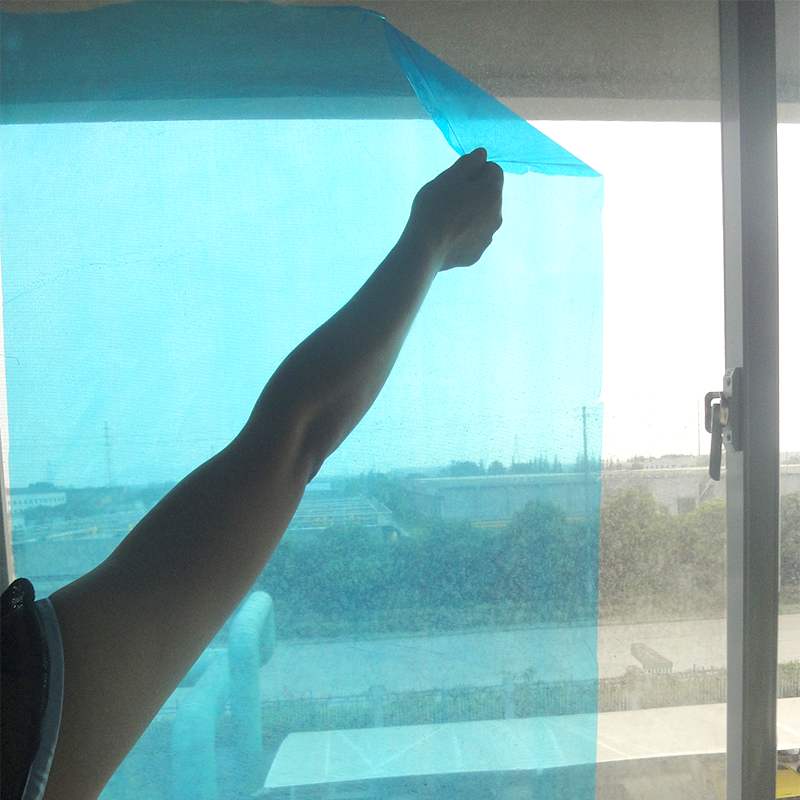
● Protejați geamurile ferestrelor împotriva stropilor de vopsea, murdăriei, petelor și scurgerilor în timpul lucrărilor de vopsire, construcț...
Vezi Detalii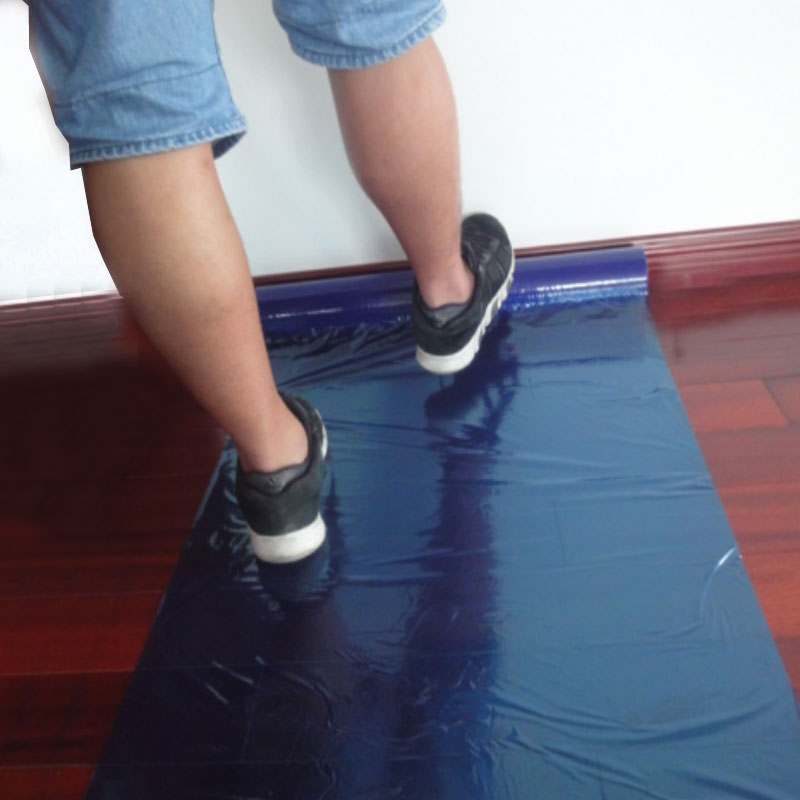
● Formula adezivă patentată se potrivește tuturor suprafețelor dure, cum ar fi podele din lemn de esență tare, podele laminate, ceramică, mar...
Vezi Detalii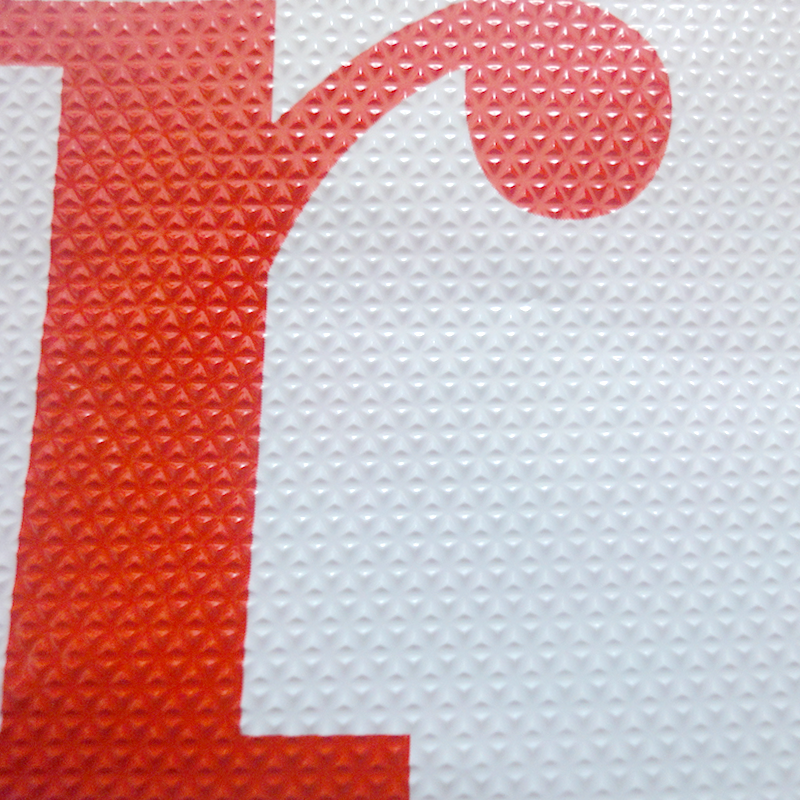
● Anti-alunecare; ● Suprafața filmului în relief pentru a garanta siguranța călătoriei; ● Film de polietilenă rezistent la ...
Vezi Detalii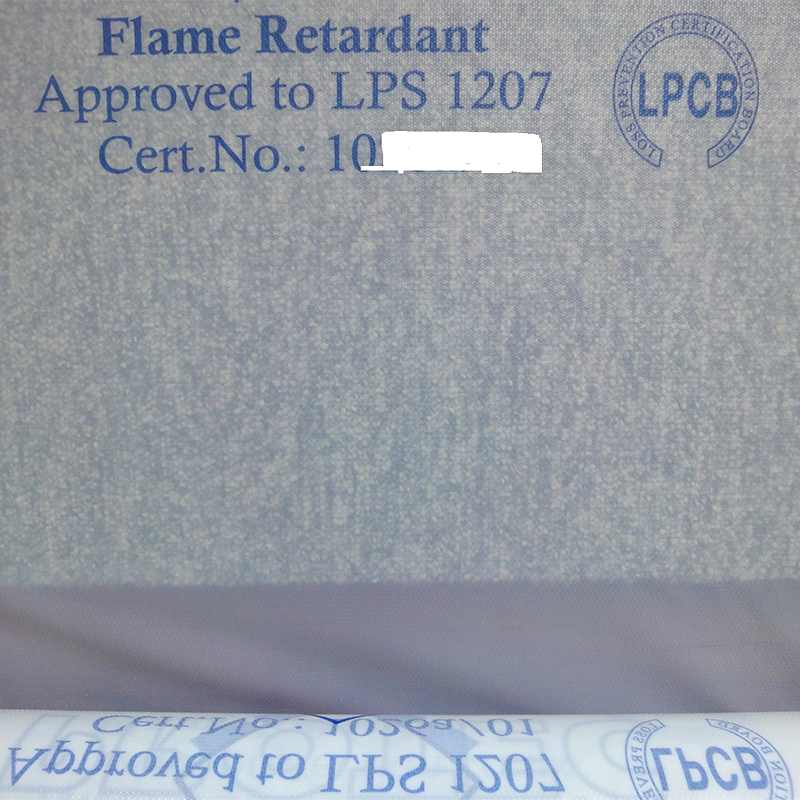
● Previne daune costisitoare în caz de incendiu/flacără; ● Îndeplinește standardele internaționale stricte de testare de prevenire a...
Vezi Detalii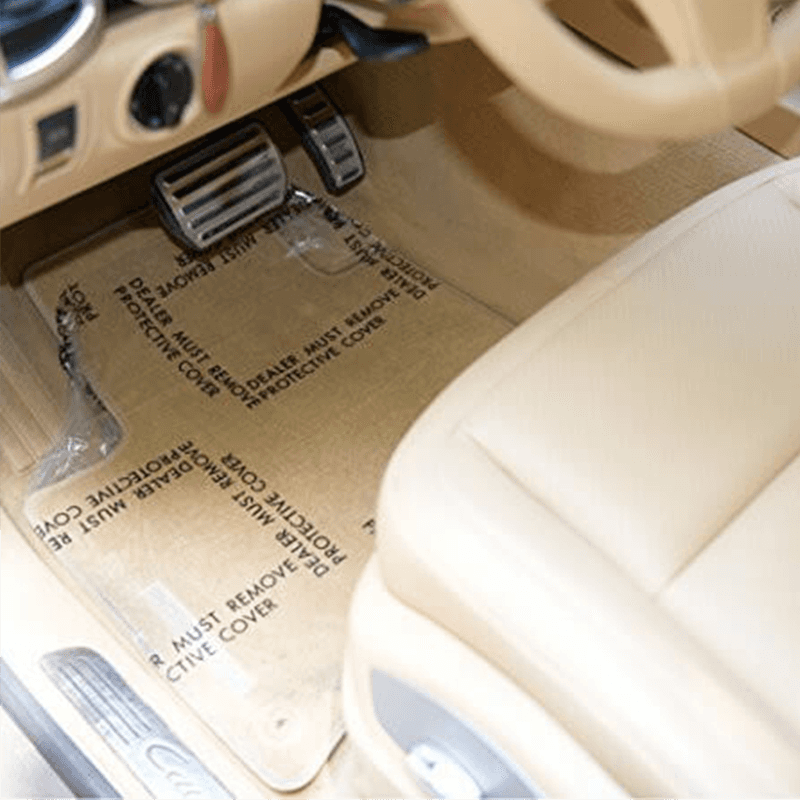
● Distanța fiecărei perforații tăiate variază de la 100 mm la 1200 mm; ● Poate dezlipi cu ușurință fiecare bucată tăiată de film de ...
Vezi Detalii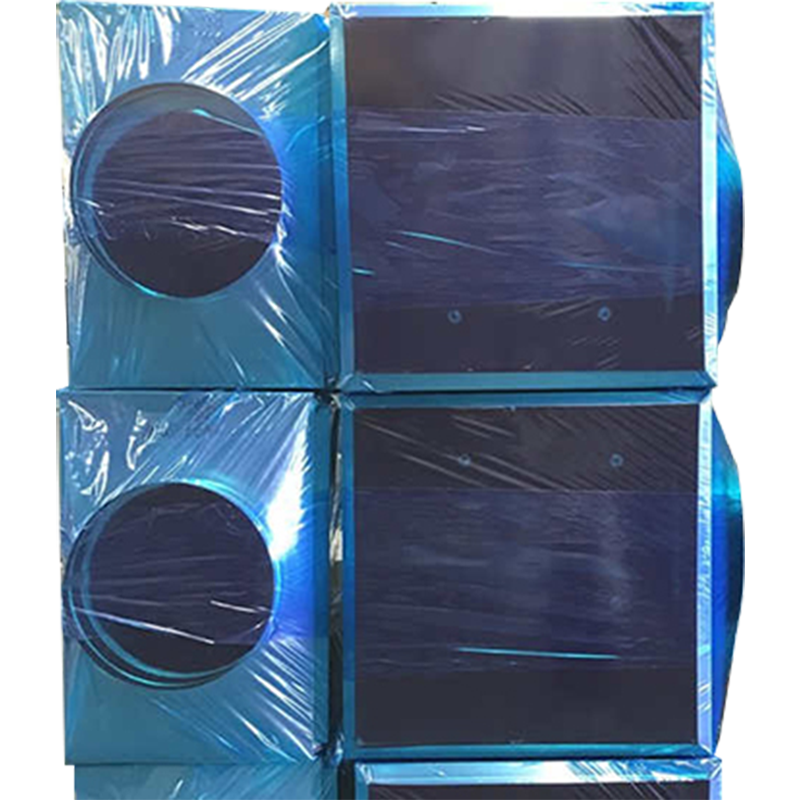
● Folia de polietilenă super-rezistă rezistă la perforare și penetrare a lichidului și murdăriei în timpul depozitării, transportului și inst...
Vezi Detalii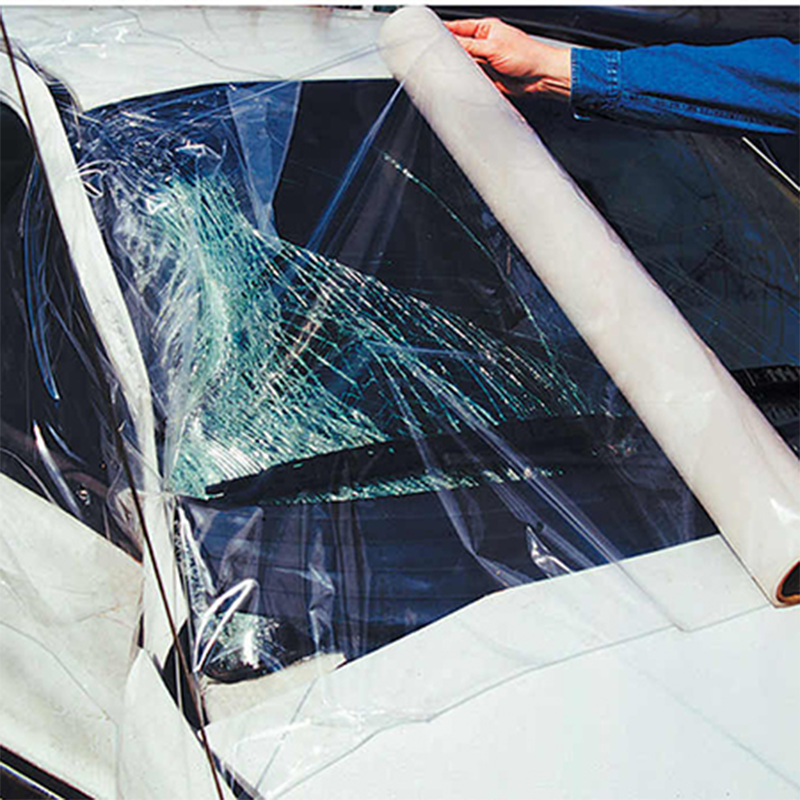
● Folia de polietilenă super-rezistă rezistă la perforare și penetrare de ploaie, zăpadă, resturi și murdărie în timpul transportului și depo...
Vezi Detalii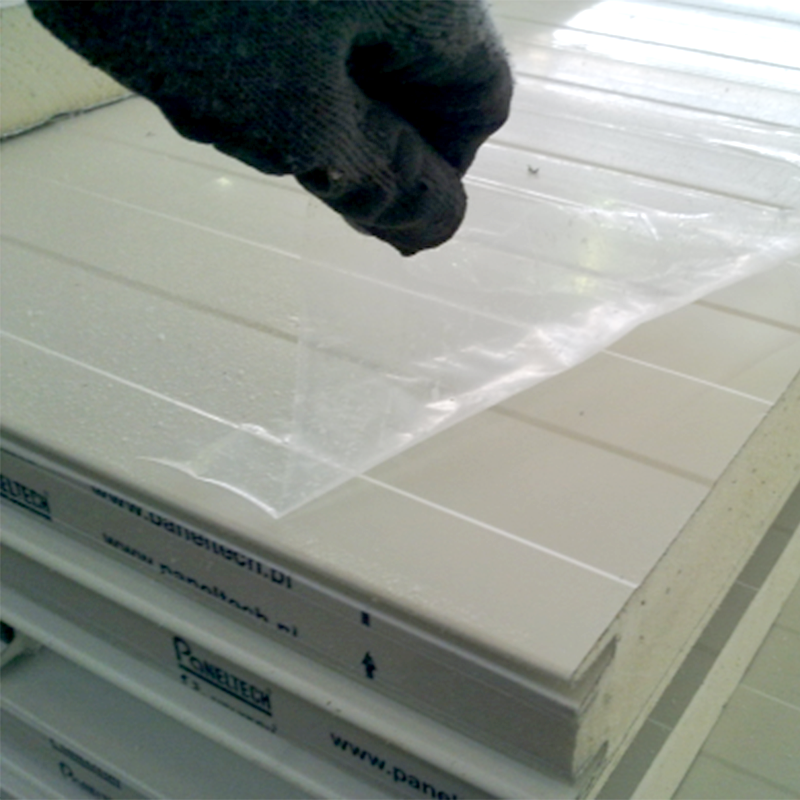
● Adezivul special formulat asigură aplicarea și îndepărtarea ușoară fără a lăsa reziduuri de adeziv pe panourile sandwich; ● Filmul...
Vezi Detalii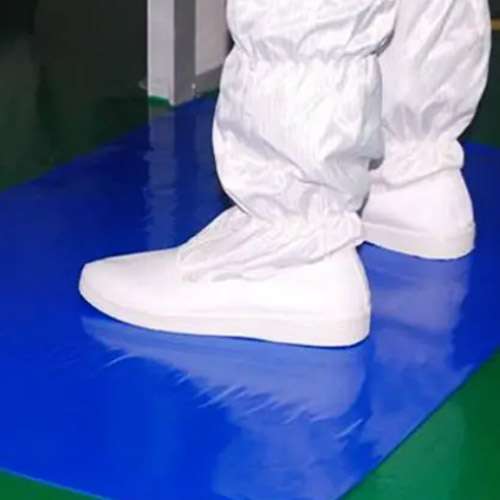
● Opțiuni pentru 30 sau 60 de straturi per covoraș; poate fi ambalat cu patru covorașe, opt covorașe sau zece covorașe pe cutie; ● E...
Vezi Detalii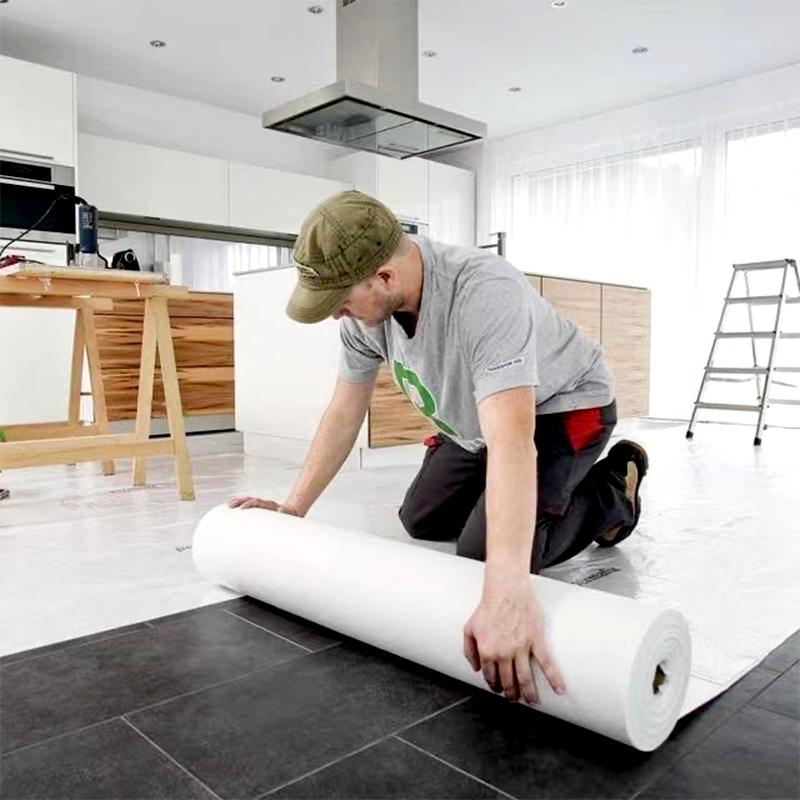
● Antiderapant pe scari fara fixare cu banda, pentru santiere sigure; ● Impermeabil, protejează podeaua tare împotriva lichidelor pr...
Vezi DetaliiSuntem un partener de încredere care transformă expertiza noastră în succes pentru proiectul dumneavoastră.

Copyright 2024 Wuxi Qida Tape Co., Ltd. Toate drepturile rezervate
